Aluminum has become a popular choice for modern kitchen cabinets, and it is easy to see why. It stands up to moisture, keeps its shape over the years, wipes clean without much effort, and comes in a good range of finishes and colors. You will find it used for cabinet frames, door fronts, and handles, in kitchens that range from warm and mixed-material to clean and minimalist.
This article looks at what makes aluminum work well in a kitchen, how it compares to wood, MDF, steel, and PVC, and a few practical details worth considering when you choose it. The goal is to give you a clear sense of where aluminum fits and how to make the most of it.
The Direct Answer
Aluminum profiles are a strong choice for kitchen cabinets. The metal resists moisture; it will not rot or attract pests, it keeps its shape for years, and it wipes clean easily.
The one thing to understand is that the metal and the finish on top of it are two different things. The aluminum underneath is hard-wearing in a kitchen. The finish, meaning the color and surface treatment, is the part you need to think about, because that is what can be marked or worn if you put it in the wrong spot. Most of this article is about telling those two apart.
What “Aluminum Profile” Means in a Kitchen
The phrase covers three different parts of a cabinet, so it helps to be clear on which one you mean.
The Cabinet Frame
This is the skeleton. Extruded aluminum profiles form the box itself, the vertical supports, and the shelf mounts. When people talk about aluminum being strong and stable, this is the part they mean. It carries the weight and holds everything square.
The Door Front
This is the face you see and touch. An aluminum-framed door usually holds a glass or panel insert, and choosing it is a separate decision from choosing the frame. The door front is where looks and finish matter most, since it is the part on display.
The Handle and Edge Profiles
These are the small pieces: handle profiles, gola and edge pulls, skirting, and trim. They get touched often, so how they feel and how they wear both count for a lot.
Keep these three in mind, because the answer to whether aluminum is good shifts a little depending on which one you are asking about.
How Aluminum Compares to Other Cabinet Materials
The fairest way to judge aluminum is next to the materials it competes with, including the areas where another material has the edge.
| Factor | Wood | MDF | Steel | PVC | Aluminum |
| Moisture resistance | Poor | Very poor | Good, can rust | Good | Excellent |
| Heat behavior | Stable, can scorch | Poor | Conducts, stable | Softens above ~60°C | Conducts, stable |
| Weight | Heavy | Heavy | Very heavy | Light | Light |
| Strength | High | Low | Very high | Low | High |
| Dent resistance | Good | Moderate | Excellent | Poor | Moderate |
| Pest and rot | Vulnerable | Vulnerable | None | None | None |
| Finish range | Natural grain | Wide | Limited | Limited | Wide |
| Feel to the touch | Warm | Warm | Cold | Neutral | Cool |
| Recyclable | Limited | No | Yes | Poorly | Yes |
Aluminum vs. Wood and MDF
Aluminum holds up better than either wood or MDF in a kitchen setting. Humidity makes wood expand and contract, and MDF takes on moisture more readily and can swell at the edges. Aluminum stays stable through the same conditions, keeping its shape in a room full of steam.
Wood has its own strengths worth mentioning. A timber door brings warmth and a natural grain that metal does not quite replicate, and solid hardwood handles a knock that might leave a small dent in aluminum. For a kitchen built around a warm, traditional look, wood remains a lovely option. Aluminum simply offers a different set of advantages, with stability and low upkeep leading the list.
Aluminum vs. Steel and Stainless Steel
Aluminum brings a few clear advantages over steel. It is lighter, which makes it easier to install and gentler on hinges and tracks. It will not rust, and it takes a wider range of finishes and colors.
Steel has its own strength in toughness. It resists dents and heavy impact a little better than aluminum, which is part of why you see stainless in commercial kitchens that see constant hard use. For a home kitchen, aluminum tends to offer a nice balance of looks, weight, and durability.
Aluminum vs. PVC
Aluminum has a comfortable edge over PVC here. PVC is light and affordable, but it begins to soften around 60 to 80°C, so a PVC cabinet face near an oven or a dishwasher vent can warp over time. Aluminum keeps its shape at any temperature a kitchen produces, and it tends to give a more premium look.
Durability in a Kitchen
A kitchen puts cabinets through a lot. Drawers get pulled open daily, doors open and close constantly, and everything lives in a mix of steam and grease. Aluminum takes this in stride.
Strength and Structural Stability
Extruded aluminum carries heavy panels and everyday use with ease. The joints stay tight and the doors stay aligned year after year, holding the box square and true where softer materials tend to loosen over time.
Corrosion and Pest Resistance
Aluminum forms its own protection. When it meets air, the surface develops a thin oxide layer that resists rust, which is just what you want next to a sink or a stove. And unlike wood or MDF, there is nothing for termites, mold, or rot to feed on.
One practical note for whoever installs it. Aluminum does not sit well against dissimilar metals at a wet joint. When it touches a metal like stainless steel with moisture present, the aluminum tends to corrode faster than it would on its own.
The fix is simple: keep the two metals separated with a gasket, sleeve, or coating wherever they meet near water. A good installer will already know this, but it is worth flagging.
Moisture, Heat, and What Actually Fails
This is the part most articles gloss over. They tend to say aluminum will not discolor or warp under heat, which blends two separate things: the metal and the finish on top of it. Worth taking a moment on.
How Aluminum Handles Moisture
Aluminum is non-porous, so water cannot soak into it. Splash it, steam it, and wipe it down daily, and there is no swelling, no warping, and no mildew. In a humid climate or a coastal home, that alone is a good reason to choose it.
The Frame Handles Heat, the Finish Is the Question
The aluminum itself stays stable at any temperature a home kitchen produces. It will not soften, expand, or lose its shape near your oven.
What sits closest to a hot oven vent or a hob is the finish, not the bare metal, and finishes do have their limits. An anodized or powder-coated surface can respond to sustained high heat a little differently than the metal underneath. So it helps to treat the finish, rather than the metal, as the thing to plan around. Giving cabinet faces a bit of clearance from direct heat sources, as you would with any finished material, keeps everything looking its best.
Heat Conduction and Feel to the Touch
Aluminum moves heat around well, which is useful in a saucepan and worth knowing in a cabinet. A panel sitting right beside a running oven can feel warm to the touch in a way a wood panel would not. It rarely causes any trouble in practice, but it is the kind of small detail worth mentioning.
Chemical Resistance and What to Wipe Up Promptly
Anodized surfaces hold up well to everyday cleaning and ordinary, neutral products. There is a limit worth knowing, though. The anodized layer begins to break down below roughly pH 4.5 and above roughly pH 8.5, which covers vinegar, lemon juice, and strong alkaline cleaners like some oven and drain products.
This is easy to manage. An acidic or alkaline spill is best wiped up soon rather than left to sit overnight, and a quick wipe keeps the finish in good shape. The same is true of most metal finishes, aluminum and stainless alike, so it is really just a habit worth keeping.
Cleaning and Everyday Maintenance
Cleaning is one of the easier parts of living with aluminum.
Routine Cleaning
The surface is smooth and non-porous, so a damp cloth and a little mild detergent handle almost everything. Grease, fingerprints, and the usual food splatter wipe off. And there is no repainting or resealing to do down the line, the way there eventually is with wood.
What to Avoid
A short list keeps the finish looking its best:
- No steel wool or abrasive pads, which can scratch the surface
- No scouring powders
- No harsh alkaline or acidic cleaners left sitting on the surface
- Rinse and dry afterward for the best look
Fingerprints and Finish Choice
One thing worth deciding up front: some finishes show fingerprints more than others. Matte and textured finishes hide them well and are forgiving in a busy kitchen. High-gloss and polished finishes look sharp and show a few more marks, so they appreciate a little more wiping. Neither is wrong; it just helps to choose with your habits in mind.
Design and Finish Options
Aluminum picked up its reputation as a cold, industrial material a long time ago, and that reputation has moved on.
Finishes and Colors
Anodized and powder-coated finishes come in matte, brushed, metallic, and even wood-grain effects, a wider range than steel or PVC offers. There is no need to settle for plain silver metal. The finish can match most schemes in a room.
Slim Profiles and Modern Lines
Because aluminum is strong for its weight, it can be made into thin, clean profiles that still hold their shape. That is what makes it a common choice for minimalist and handleless kitchens, where the look depends on crisp, narrow lines.
Mixing Materials
Aluminum works well alongside other materials. Modular systems let you pair aluminum frames with glass, wood, or acrylic panels, so you get the strength and precision of metal with the warmth or transparency of another material. This is often the sweet spot: an aluminum frame around a wood or glass front.
Accessory and Hardware Compatibility
The profile is built to work with the rest of the cabinet. Hinges, handles, drawer systems, and LED lighting channels fit into it. Soft-close hardware and built-in interior lighting fit in cleanly where the system supports them.
Recyclability and Long-Term Value
Beyond how it performs day to day, aluminum holds up well on the two things people weigh at the end: what it is worth over time, and what happens to it afterward.
Aluminum as a Recyclable Material
Aluminum is one of the more recyclable materials in a kitchen. Recycling it uses only about 5% of the energy needed to make it new, and the metal keeps almost all of its quality in the process, so it can be recycled again and again. At the end of a cabinet’s life, the aluminum still has value and a clear second use, which is more than you can say for MDF or most PVC.
Cost and Lifetime Value
Aluminum usually costs more upfront than wood-based or plastic options, and it is fair to be straight about that. What you get back is a longer service life and less maintenance, which means fewer replacements over the years. If the budget is tight and it is the single deciding factor, MDF or PVC will cost less today. Weighing the long run, aluminum tends to make its money back. And for a look that leans traditional and warm, wood may suit the room better regardless of cost. It comes down to what the project needs.
Aluminum X Design Profiles for Kitchen Cabinet
For a sense of how these choices look in practice, here is how the Aluminum X Design range handles interior cabinetry. It follows the same frame-and-door thinking covered above, with profiles built for exactly this kind of work.
- Cabinet door frame systems come in both wide and slim profiles, sized to hold glass or panel inserts, with tempered glass as standard. This is the door-front decision in practice: an aluminum frame around the insert of your choice.
- The finish is anodized at 12 to 14 microns for black and 10 to 12 microns for other colors. That is an interior-grade anodizing, matched to cabinetry and furniture rather than the thicker coatings meant for outdoor exposure, which suits a kitchen that lives indoors.
- Colors run across black, bronze, and sand on the wardrobe systems and accessories, with the cabinet door frames offering black and bronze on both widths, plus sand and silver depending on the profile. Availability varies by product line, so it is worth checking the specific page or asking the team.
- The wider system covers more than doors. Hinged door systems with soft-close dampers and sliding and partition systems, and aluminum shelving with optional integrated lighting all share the same finish palette, so a whole interior can be specified from one supplier and match.
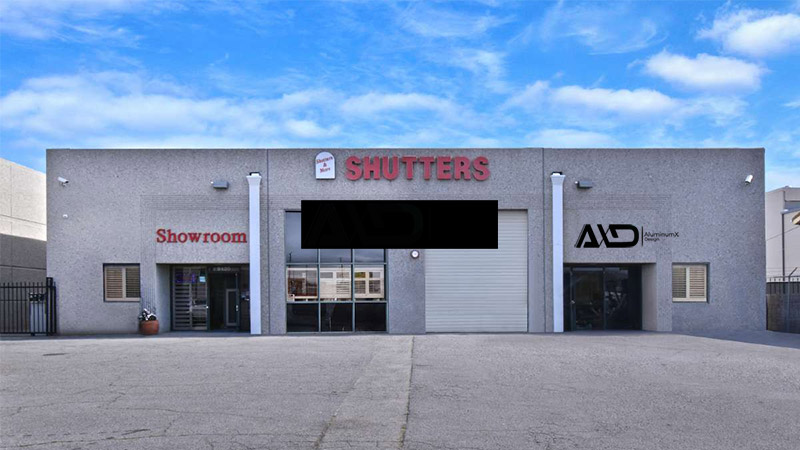
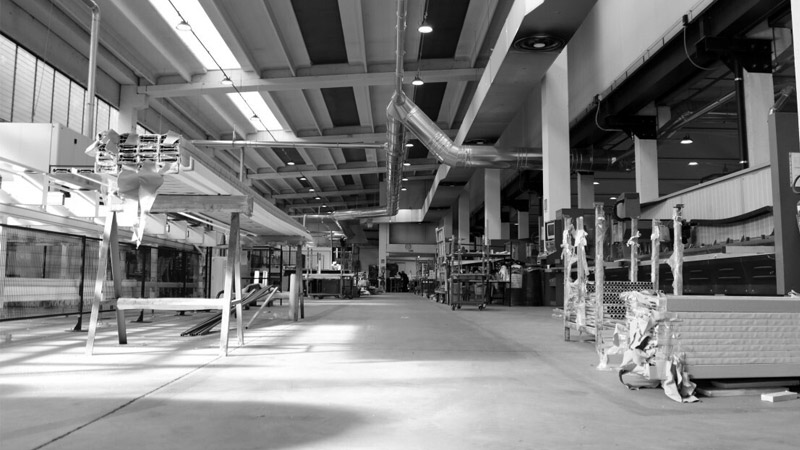
- Manufacturing and supply: the profiles are Italian-designed and made at the Chatsworth, California, facility. Most orders ship in about 10 business days across the continental United States. The company supplies cabinet makers, furniture manufacturers, interior designers, and design studios, with pricing available on request.
One practical tip before you settle on a color. Anodized finishes are hard to judge on a screen, since the metallic depth and the way the surface catches light do not come through well in a photo. Bronze in particular can look like a different color in a room than it does on a monitor.
The Chatsworth showroom is open by appointment, where you can look through the profile range, compare finishes side by side, and take samples with you. Book a showroom visit before you finalize a spec.
Wrapping Up!
So, is aluminum profile good for kitchen cabinets? For most of a kitchen, yes. It stands up to moisture, it will not rot or draw pests, it holds its shape for years, and it cleans with a quick wipe. The finish and design range is wide enough to suit most styles, from warm and mixed-material to plain and minimalist.
A few practical points are worth keeping in mind. Aluminum can pick up a dent under a hard knock, the finish appreciates a little clearance near direct heat, acidic and alkaline spills are best wiped up rather than left, and it costs more upfront than the budget materials. None of these stand in the way of a great kitchen.
If you have a kitchen project in mind, get in touch with our team to talk through specifications or request pricing.
FAQs
Is aluminum good for kitchen cabinets?
Yes, for most of a kitchen. Aluminum resists moisture, will not rot or attract pests, holds its shape for years, and cleans easily. The main things to keep in mind are that it can dent under a hard impact and costs more upfront than budget materials. For frames, door fronts, and handles, it is one of the stronger choices available.
Do aluminum cabinets resist heat near ovens and hobs?
The metal itself stays stable at any temperature a home kitchen produces. The finish is what benefits from a little thought, since anodized and powder-coated surfaces respond to sustained high heat differently than the bare metal does. Giving cabinet faces sensible clearance around direct heat sources keeps the finish in good shape.
Are aluminum kitchen cabinets easy to clean?
Yes. The smooth, non-porous surface wipes clean with a damp cloth and mild detergent, and it does not need repainting or resealing. Skip steel wool and abrasive pads, and wipe up acidic or alkaline spills like vinegar, lemon juice, or strong cleaners rather than leaving them to sit.
Aluminum or stainless steel for kitchen cabinets?
Both resist moisture and last well. Aluminum is lighter, will not rust, and comes in a wider range of colors and finishes. Stainless steel resists dents and heavy impact a little better, which is why it is common in commercial kitchens. For a home kitchen, aluminum usually gives a nice balance of looks and durability.
Can aluminum cabinet frames hold wood or glass panels?
Yes. Aluminum frame systems are designed to hold glass, wood, or acrylic panel inserts, which is one of their strengths. You get the strength and precision of a metal frame with the warmth or transparency of the insert you choose.
Are aluminum kitchen cabinets more expensive than wood?
Usually, a higher cost upfront, yes. That is offset over time by a longer service life and less maintenance, since aluminum does not need the repainting, resealing, or replacement that wood eventually does. If upfront budget is the single deciding factor, wood-based or plastic options cost less today.