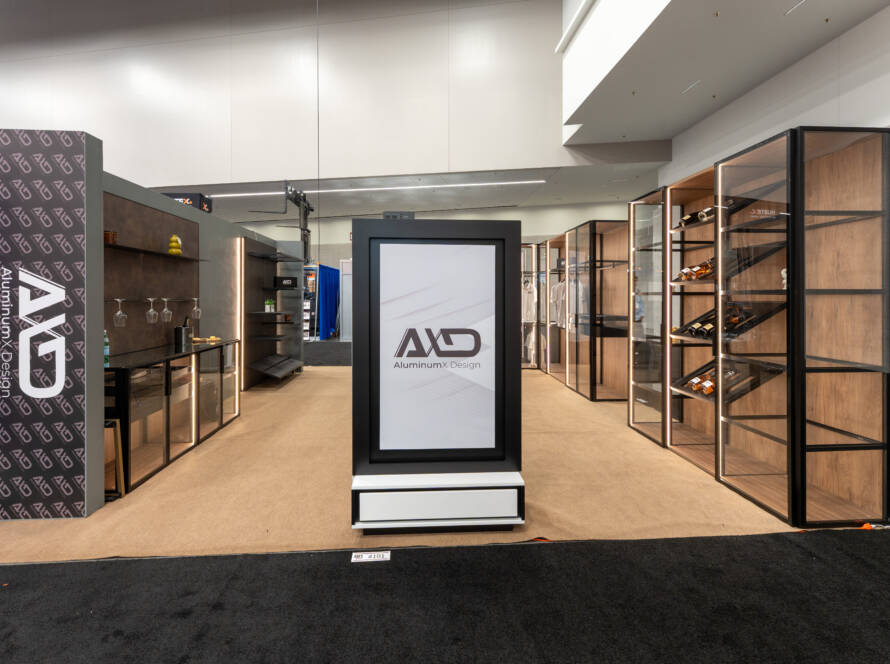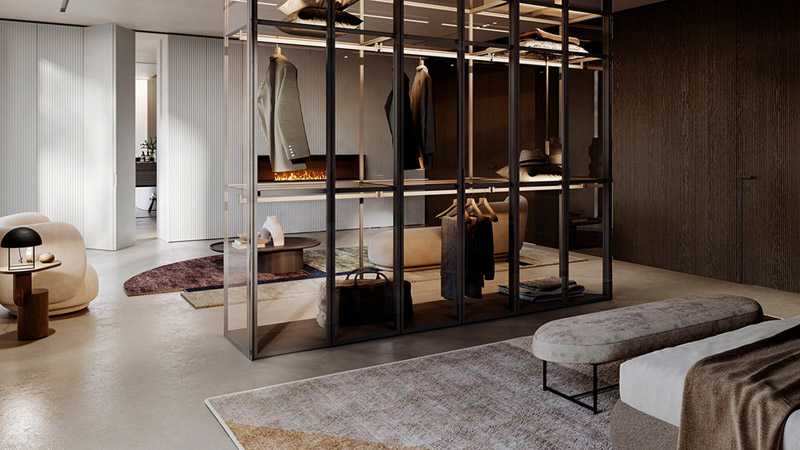
Look around a modern home, and you will find aluminum profiles almost everywhere, even if you have never noticed them. They form the frame of a wardrobe, the edge of a cabinet door, the rail your clothes hang from, and the track a sliding door runs along. They also turn up well beyond the home, in buildings, trains, and solar panels. Most people never stop to think about them, but a little knowledge goes a long way when you are choosing materials for a project.
So let’s break down the basics. This guide covers what an aluminum profile actually is, how it’s made, the main types and alloys, and why the material has become such a favorite for furniture and interiors. By the end, you will know enough to talk about profiles with confidence and pick the right one for the job.
What Is an Aluminum Profile?
An aluminum profile is a length of aluminum shaped to a fixed cross-section. Picture squeezing dough through a shaped nozzle so it comes out the same shape all the way along. Aluminum profiles are made in much the same way, by pushing the metal through a shaped opening so the cross-section runs the full length of the piece.
That simple idea is behind a huge range of shapes. Here is what makes aluminum such a good fit for it:
- Light but strong for its weight, so it holds up without being heavy
- Resists corrosion on its own, without needing a coating
- Easy to shape into detailed cross-sections, from a plain tube to an intricate frame
- Recyclable without losing quality
The same process makes everything from a basic round tube to a detailed cabinet-door frame with grooves for glass. That range is a big part of why profiles show up in so many products.
How Aluminum Profiles Are Made
The way profiles are made is simpler than you might expect. The main step is called extrusion, and once you picture it, the rest of the process makes sense.
The Extrusion Process
It starts with a solid block of aluminum called a billet. The billet is heated until it is soft but not melted, typically between 400 and 500°C (about 750 and 930°F). While it’s soft, a press pushes it hard through a shaped steel die, which is a thick metal plate with the profile’s shape cut into it. The aluminum comes out the other side as a long piece carrying that exact shape. Change the die, and you change the profile.
Solid, Hollow, and Semi-Hollow Shapes
The die is what decides the shape, and dies come in a few kinds:
- Solid dies make simple shapes with no enclosed gaps, like a flat bar or an angle.
- Hollow dies make shapes with enclosed spaces inside, like a square tube or a round pipe.
- Semi-hollow dies make shapes that sit in between, mostly solid but with a partly enclosed pocket.
This is why profiles can be so varied. A hollow tube for a hanging rail and a solid angle bracket come off the same kind of line, just through different dies.
Cooling, Cutting, and Finishing
Once the profile is extruded, a few steps finish the job. The hot metal is cooled to lock in its properties, straightened to remove any bends, and cut to the required length. After that, most profiles get a surface finish. The two common ones are anodizing, which builds a hard layer that becomes part of the metal, and powder coating, which lays a thicker colored layer over the surface. Both protect the profile and set how it looks.
The Main Types of Aluminum Profiles
Profiles come in a range of shapes, grouped a few simple ways. Here is the quick version:
- Standard shapes: the common off-the-shelf forms like tubes, bars, angles, channels, and T-slots. These cover most everyday jobs.
- Custom profiles: shapes made to order for a specific purpose, such as a cabinet-door frame or a channel sized to hold a pane of glass. Custom shapes fit the job exactly, but they add some cost and lead time.
- Furniture and interior profiles: the shapes you meet most in a home, like frame profiles for doors and wardrobes, tube profiles for hanging rails, and channels that hold glass or wood panels.
This is just the overview. For a full breakdown of every profile shape and what each one is used for, see our guide to the types of aluminum profiles.
Aluminum Alloys and What They Mean
Not all aluminum is the same. Pure aluminum is soft, so it is often alloyed with small amounts of other metals to achieve the right balance of strength, corrosion resistance, and ease of shaping and finishing. The mix you choose changes how the profile behaves.
The 6000 Series for Furniture and Interiors
For furniture, interior, and architectural profiles, the family to know is the 6000 series. These alloys mix aluminum with magnesium and silicon, which gives a good balance of strength and easy shaping. Two names come up most often:
| Alloy | Known for | Common use |
| 6063 | Extrudes into detailed shapes, smooth surface finish, anodizes well | The most common alloy for visible profiles like frames and trims |
| 6060 | Good finish and anodizing performance | Furniture and decorative profiles where the look matters |
Both sit in the same 6000-series family, so they share the magnesium-and-silicon mix and the easy shaping that makes the series suit interior work.
Why the Alloy Choice Matters
The alloy affects three things that count for a finished profile: how strong it is, how cleanly it takes a finish, and how well it holds fine detail in the shape. For interior furniture work, the priority is usually a crisp shape and a good finish rather than maximum strength, which is exactly what the 6000 series delivers. So if a profile is going into a wardrobe or a cabinet door, a 6000-series alloy is almost always the right call.
Why Aluminum Profiles Are Used So Widely
Aluminum has earned its place across so many products for a handful of solid reasons. Here is what makes it work:
- Light but strong. Aluminum has a high strength-to-weight ratio, which means real strength without much weight. That makes profiles easy to handle, move, and install.
- Corrosion resistant. Aluminum forms its own thin protective oxide layer, so it resists rust without needing a coating. That suits humid rooms and years of use.
- Easy to shape. Extrusion produces detailed cross-sections that other materials cannot match as cleanly, so a single profile can be both structural and decorative.
- Recyclable. Aluminum recycles over and over without any loss of quality, and according to the Aluminum Association, recycling it uses only about 5% of the energy of making it new, which makes it a lower-waste choice.
- Low maintenance. A wipe with a damp cloth keeps it clean. There is no repainting or resealing to keep up with.
Put those together, and it’s clear why profiles turn up everywhere, from furniture and interiors to construction, transport, and solar panels. For a home, the lightweight, clean shapes, and low upkeep are what matter most.
A Closer Look at Aluminum X Design Profiles
To see how these basics show up in real interior products, here is how Aluminum X Design’s profiles are built and used.
- The focus is aluminum profiles for furniture and interiors, not construction or heavy industry. The range covers wardrobes, cabinet door frames, hinged and sliding doors, shelving, and wall panels.
- The shapes are the furniture-relevant types from earlier: frame profiles for doors and wardrobes, tube profiles for hanging rails, and channels that hold glass or wood panels.
- The finish is anodized in an interior-grade range of black, bronze, and sand, matched to visible furniture use.
- The design and origin are Italian-designed profiles, made at the Chatsworth, California, facility.
Profiles and finishes are hard to judge on a screen, since color and depth shift with the light. The Chatsworth showroom is open by appointment to see and handle them in person.
Wrapping Up!
An aluminum profile is a shaped length of metal, extruded to a fixed cross-section, and chosen by its shape, its alloy, and its finish. Once you know how they’re made, which alloy suits furniture and interiors, and why the material lasts so well, picking the right profile for a project stops being a guess and starts being a straightforward choice.
Aluminum X Design designs and manufactures aluminum profiles for furniture and interiors at its Chatsworth, California facility, supplying cabinet makers, furniture manufacturers, and interior designers across the US. If you have a project in mind, get in touch with our team to talk through your specifications or request pricing.
Frequently Asked Questions
What is an aluminum profile?
It is a length of aluminum shaped to a fixed cross-section by pushing the soft metal through a shaped die. The shape runs the whole length of the piece, from a simple tube to a detailed frame.
How are aluminum profiles made?
They are made by extrusion. A heated aluminum billet is pressed through a shaped steel die, then cooled, straightened, cut to length, and usually finished with anodizing or powder coating.
What is the difference between standard and custom profiles?
Standard profiles are common off-the-shelf shapes like tubes, bars, and angles. Custom profiles are made to order for a specific job, which fits the need exactly but adds some cost and lead time.
Which aluminum alloy is used for furniture profiles?
Most furniture and interior profiles use a 6000-series alloy, made with magnesium and silicon. 6063 is the most common, since it extrudes into detailed shapes, takes a fine finish, and anodizes well.
Are aluminum profiles strong enough for furniture?
Yes. Aluminum has a high strength-to-weight ratio, so profiles give real strength without much weight. The 6000-series alloys used for furniture balance that strength with clean shaping and a good finish.
Do aluminum profiles rust?
No. Aluminum does not rust the way iron does. It forms its own thin protective oxide layer that resists corrosion, which is why it holds up well in humid rooms without a coating.
Are aluminum profiles recyclable?
Yes, and very efficiently. Aluminum can be recycled over and over without losing quality, and recycling it uses only about 5% of the energy needed to produce new aluminum.
What finishes can aluminum profiles have?
The two common finishes are anodizing, which forms a hard layer that is part of the metal, and powder coating, which adds a thicker colored layer on top. Both come in a range of colors and textures.